July 20, 2026
As heating systems age, homeowners are increasingly weighing the benefits of repairing an existing furnace instead of investing in a new one. While a full furnace replacement remains the right choice in some situations, many households are finding that repairs offer a practical way to restore comfort while managing costs. Improvements in diagnostic technology, rising equipment prices, and a greater focus on sustainability have all contributed to this shift.
According to Market Data Forecast, the North American residential furnace market reached a value of USD 5.81 billion in 2025, reflecting continued demand for home heating equipment while highlighting the importance homeowners place on maintaining reliable systems. As the market evolves, many consumers are carefully comparing the benefits of repair and furnace replacement before making a decision.
Compare the Costs of Repair and Replacement
For many homeowners, cost is the biggest factor when deciding whether to repair a heating system or invest in a complete furnace replacement. Even relatively significant repairs often cost far less than purchasing and installing a brand-new furnace.
A replacement project typically includes more than the price of the equipment itself. Installation labor, modifications to ductwork, permit fees, thermostat upgrades, and disposal of the old unit can all increase the overall investment. Depending on the home's heating requirements and the efficiency of the new system, these expenses can add up quickly.
Repairs, on the other hand, frequently address isolated issues such as worn igniters, faulty blower motors, damaged sensors, or malfunctioning control boards. Correcting these problems may restore reliable heating without requiring homeowners to replace an otherwise functional system.
Of course, repeated repairs can eventually outweigh the savings. If repair costs continue to accumulate or approach a significant percentage of the cost of a new system, a furnace replacement may provide greater long-term value. Evaluating both immediate expenses and future maintenance costs helps homeowners make an informed decision.
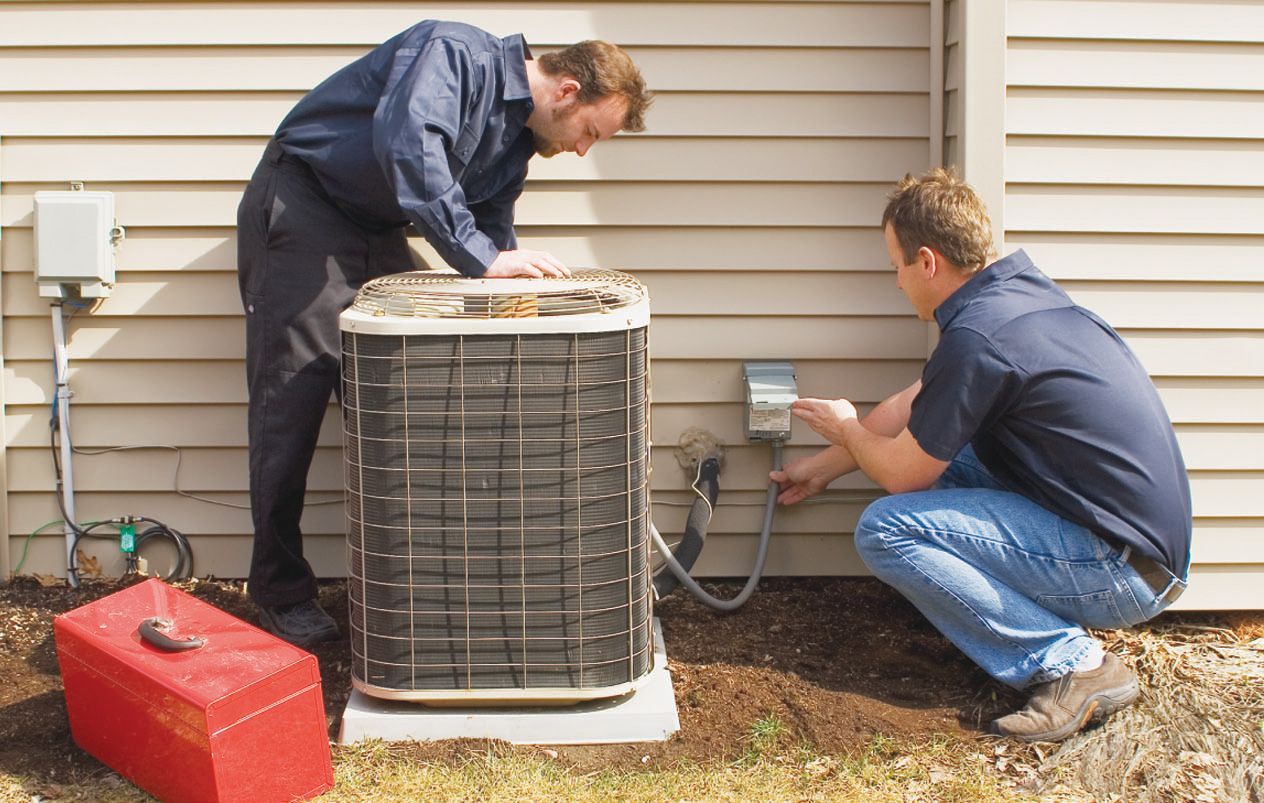
Professional HVAC technicians often assess several factors before making a recommendation, including the furnace's age, overall condition, repair history, and expected remaining lifespan.
Evaluate Modern Repair Technologies
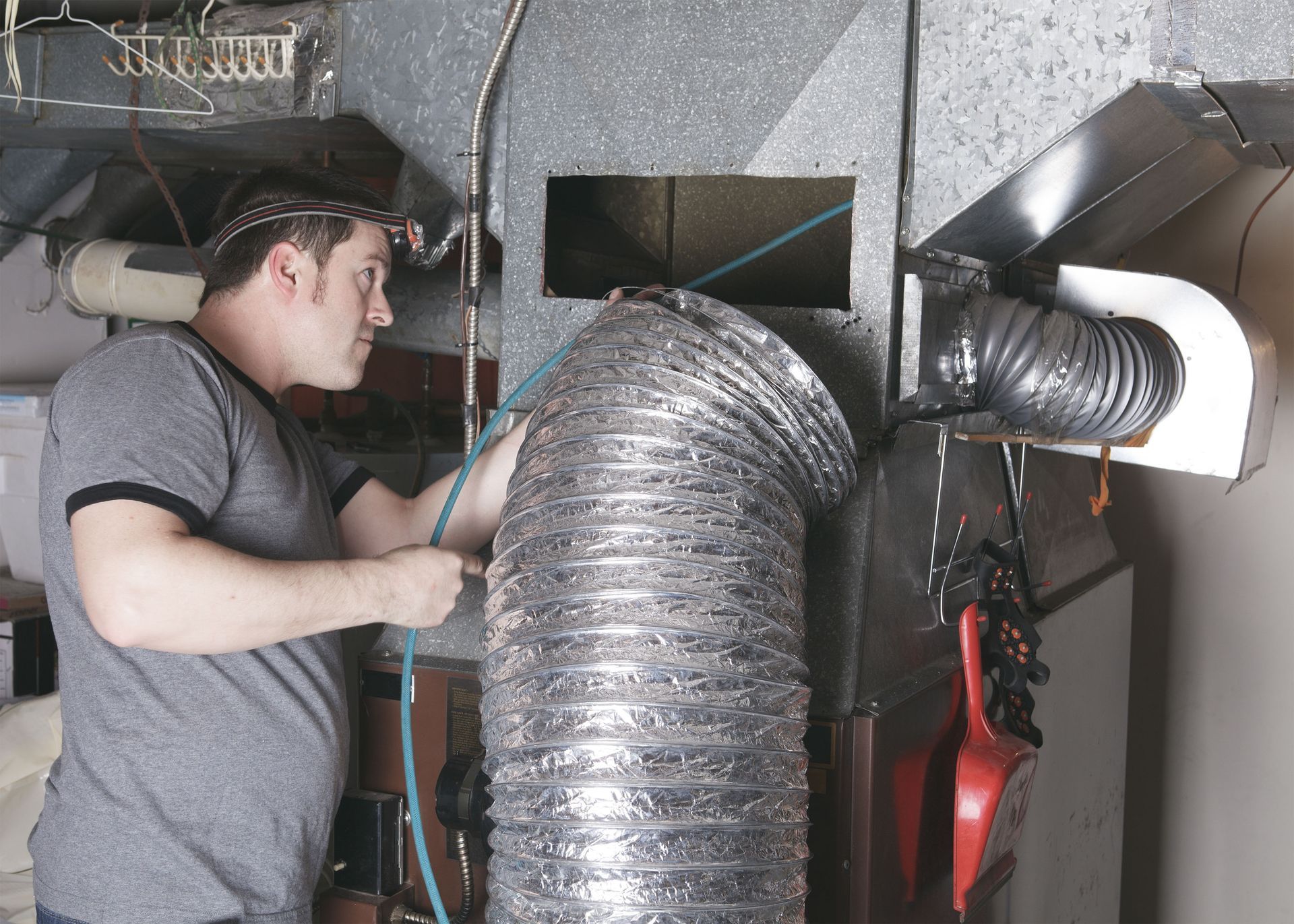
One reason repairs have become more attractive is the advancement of diagnostic tools and replacement components. HVAC professionals now have access to sophisticated equipment that allows them to identify problems more accurately and complete repairs more efficiently.
Digital diagnostic systems can quickly detect electrical faults, airflow restrictions, pressure imbalances, and ignition issues. This reduces the amount of guesswork involved and allows technicians to resolve many problems during a single service visit.
Replacement components have also improved in quality and availability. Manufacturers continue producing compatible parts for many furnace models, allowing technicians to restore older systems without extensive modifications.
Preventive maintenance technology has evolved as well. During routine inspections, technicians can identify worn components before they fail completely. Replacing a deteriorating capacitor, cleaning burners, or adjusting airflow may prevent larger issues from developing later.
These technological improvements have increased homeowner confidence in repairs. Rather than viewing every major issue as a reason for furnace replacement, many people recognize that modern repair methods can extend equipment life while maintaining dependable performance.
Smart thermostats and connected monitoring systems also contribute to this trend. Some systems alert homeowners when performance changes occur, allowing smaller issues to be addressed before they become expensive failures.
Reduce Environmental Impact Through Repairs
Environmental concerns are becoming increasingly important when homeowners evaluate heating system decisions. Extending the life of existing equipment through repairs can reduce waste and conserve valuable manufacturing resources.
Producing a new furnace requires raw materials, manufacturing energy, transportation, packaging, and installation. While newer equipment often delivers greater efficiency, replacing a system before it reaches the end of its useful life also carries environmental costs.
Repairing a furnace helps reduce the number of large appliances entering landfills while maximizing the value of equipment already in service. In many cases, replacing worn components allows the furnace to continue operating safely and efficiently for several additional years.
Routine maintenance also supports environmental goals. Clean burners, properly adjusted airflow, lubricated moving parts, and replaced air filters all improve operating efficiency. A well-maintained furnace generally consumes less energy than one struggling with neglected mechanical issues.
That said, there are limits to the environmental benefits of repair. Older furnaces with very low efficiency ratings may consume substantially more fuel than modern high-efficiency models. In these situations, a furnace replacement can lower energy consumption and reduce greenhouse gas emissions over the long term.
Balancing immediate environmental impacts with future energy savings requires careful evaluation by both homeowners and qualified HVAC professionals.
Understand the Impact of Government Policies
Government regulations and incentive programs have also influenced homeowner decisions regarding heating systems.
Many local and federal programs encourage homeowners to improve energy efficiency through rebates, tax incentives, and utility-sponsored upgrades. These incentives often apply to high-efficiency heating equipment, but they may not always offset the full cost of installation.
As a result, some homeowners choose to repair their existing systems while planning for a future upgrade when finances allow or when additional incentive programs become available.
Building codes and efficiency standards have also changed over time. Installing a new furnace may require additional modifications to ventilation systems, gas lines, electrical connections, or condensate drainage. These requirements can increase installation costs beyond the price of the furnace itself.
Repairs generally involve fewer code-related changes because they focus on restoring the existing equipment rather than installing an entirely new system. This can make repairs more affordable in the short term.
At the same time, government efficiency standards continue encouraging manufacturers to produce cleaner and more efficient heating equipment. As technology advances, homeowners considering a future furnace replacement may benefit from improved performance and lower operating costs.
Understanding available incentives, local regulations, and installation requirements allows homeowners to compare repair and replacement options more effectively.
Recognize When Replacement Becomes the Better Choice
Although repairs remain an attractive option for many households, there are situations where a complete furnace replacement is clearly the better investment.
Age is one of the most important considerations. Most gas furnaces have an expected service life of approximately 15 to 20 years with proper maintenance. As systems approach the end of that lifespan, major component failures become increasingly common.
Frequent breakdowns are another warning sign. If service calls become routine and repair expenses continue increasing each heating season, replacing the system may reduce long-term costs while improving reliability.
Safety concerns should never be overlooked. Cracked heat exchangers, carbon monoxide risks, significant corrosion, or damaged structural components often warrant immediate replacement rather than continued repairs.
Energy efficiency also deserves consideration. Older furnaces with low annual fuel utilization efficiency (AFUE) ratings may consume considerably more fuel than modern high-efficiency models. Over several years, lower utility bills can help offset the initial investment in a furnace replacement.
Homeowners planning to remain in their homes for many years may also benefit from installing newer equipment that offers improved comfort, quieter operation, advanced controls, and enhanced warranty protection.
An experienced HVAC contractor can perform a comprehensive evaluation and explain whether repairs are likely to provide dependable service or whether replacement offers greater value over the long term.
The growing preference for furnace repairs reflects a combination of financial, technological, environmental, and regulatory factors. Modern diagnostic tools have made repairs more reliable, while rising installation costs encourage many homeowners to extend the life of their existing heating systems whenever practical.
Choosing between repair and
furnace replacement ultimately depends on the condition of the equipment, repair history, efficiency, safety, and long-term ownership goals. While repairs often provide an economical solution for well-maintained systems, older furnaces with recurring problems may benefit from a complete furnace replacement that delivers greater efficiency, reliability, and peace of mind.
Working with a qualified HVAC professional allows homeowners to evaluate every option carefully and select the solution that best meets their comfort needs, budget, and long-term plans. Whether you're looking for service, repairs, or a new furnace, the team at Ally HVAC is here for you!