June 15, 2026
Air conditioning systems have become an absolutely integral part of modern living, enhancing indoor comfort levels significantly during the sweltering summer months. Despite their widespread importance, many homeowners frequently underestimate the necessity of professional installation services, often attempting to undertake these complex setup projects themselves or completely ignoring the clear warning signs of their current system's steady decline. Recognizing these crucial indicators early can ensure continued operational efficiency, personal safety, and optimal climate control inside your home.
Maintaining long-term comfort requires a clear understanding of cooling system principles, the warning signs of failing units, and the reasons why professional AC installations are crucial. Choosing the right installer ensures your household remains a refreshing, comfortable environment for many years. Investing in proper system integration from the start lays the foundation for a reliable, refreshing home environment.
Learn the Basics of Cooling Systems
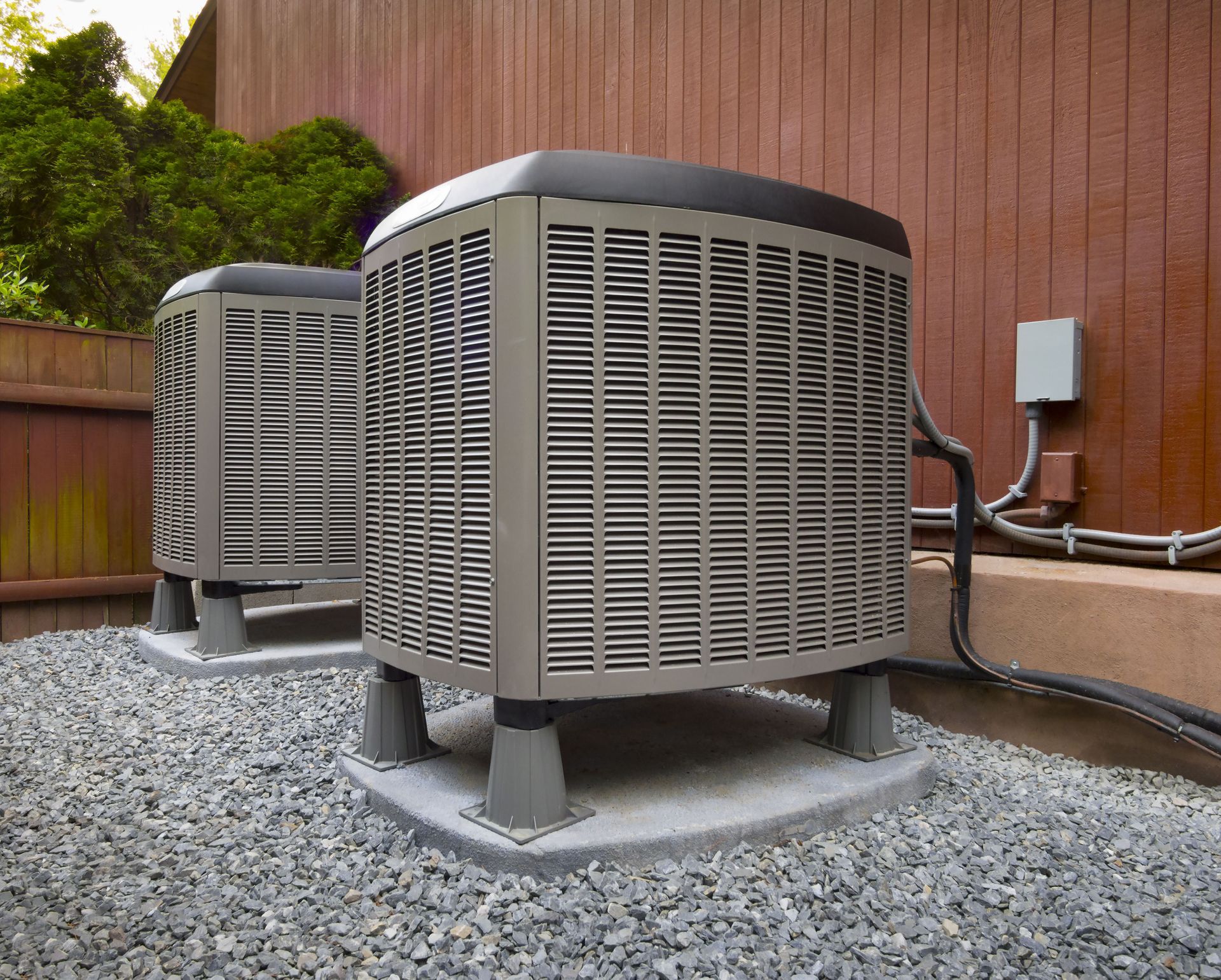
Air conditioning units come in various designs, each tailored to specific residential needs, budgets, and architectural spaces. Central air conditioning systems are prevalent in larger homes, utilizing a network of ductwork to circulate cool air evenly throughout the house. Split systems, which do not require extensive ductwork, offer a flexible cooling solution for smaller homes and individual rooms. Traditional window units remain cost-effective for single rooms but lack the efficiency and advanced features of newer systems. Understanding these key differences can help you decide which system best meets your home's cooling needs.
The choice between a portable, window, split, or central unit should align closely with your lifestyle and space requirements. Portable units are versatile but often lack the robust cooling power found in permanent AC installations. Central systems provide uniform cooling and enhance overall property value, making them an excellent long-term investment. Evaluating these factors helps prioritize your cooling goals while keeping energy efficiency and operational costs in mind. Fundamentally, air conditioning systems operate on refrigeration principles, extracting heat from an internal environment and expelling it outside.
Appreciate the Value of Professional Setup
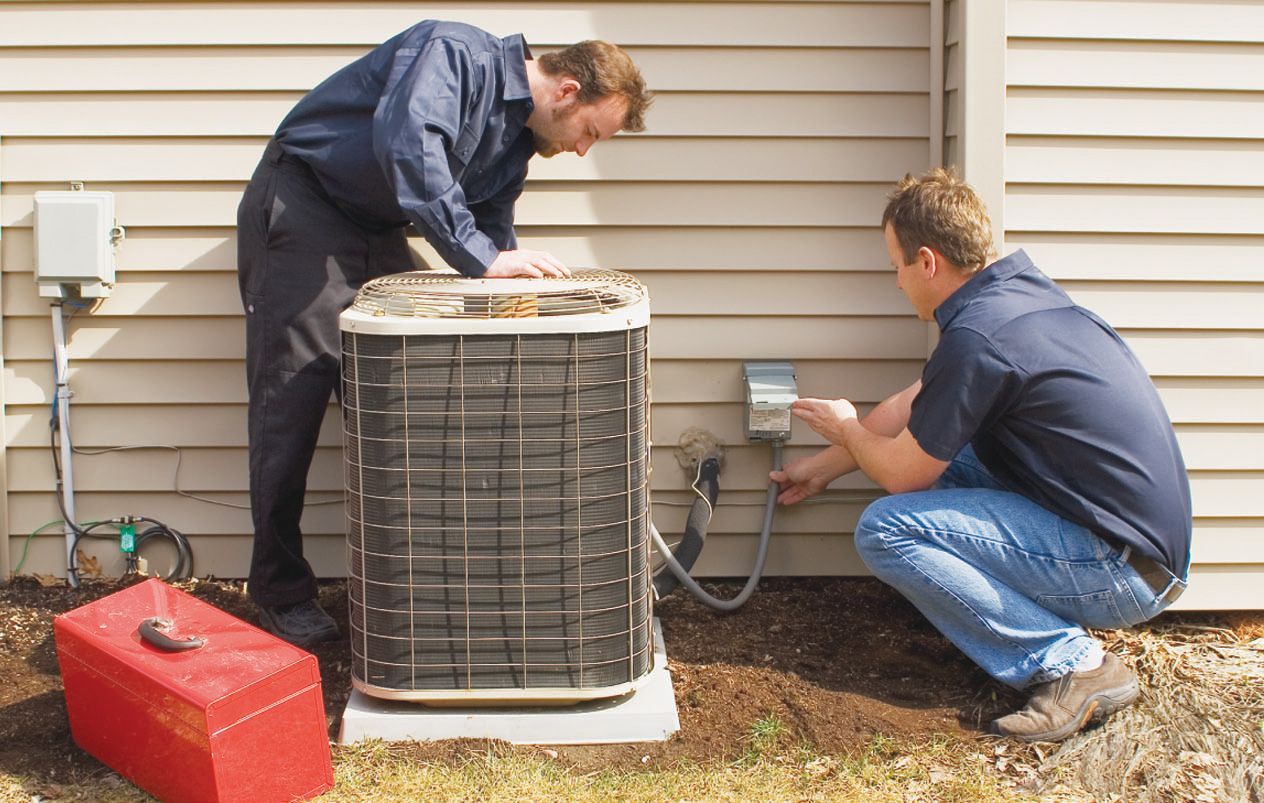
Proper setup of air conditioning systems is essential in safeguarding both the expensive equipment and its everyday users. Inadequate installation can lead to poor performance, diminished energy efficiency, and extra stress on components, shortening the system's lifespan. Risks such as refrigerant leaks or electrical faults can pose significant safety hazards if they are not addressed by a certified professional. Certified technicians ensure long-term peace of mind through comprehensive assessments and tailored installation processes that match your home's unique layout.
The influence of qualified setup extends far beyond immediate operation, also heavily affecting your monthly utility costs. An improperly sized unit will cycle too frequently, overworking mechanical components and leading to excessive energy consumption over time. Installers bring valuable expertise in determining the correct system size, integration requirements, and operational settings, providing immediate and future cost benefits. Securing expert assistance for your AC installations lays a strong foundation for efficient functionality and helps you avoid preventable repair expenses.
Avoid Common DIY Installation Myths
The decision to pursue do-it-yourself installation often stems from common misconceptions about the difficulty and actual costs involved. A prevalent myth is that DIY methods save money, but few account for potential costs from errors, inefficiencies, and early repairs. Many people underestimate the intricacies of installation requirements, believing standard household tools and general mechanical knowledge to be sufficient. Misunderstanding the complexity involved in assessing electrical loads, refrigerant handling, and proper unit placement can easily lead to improper setups.
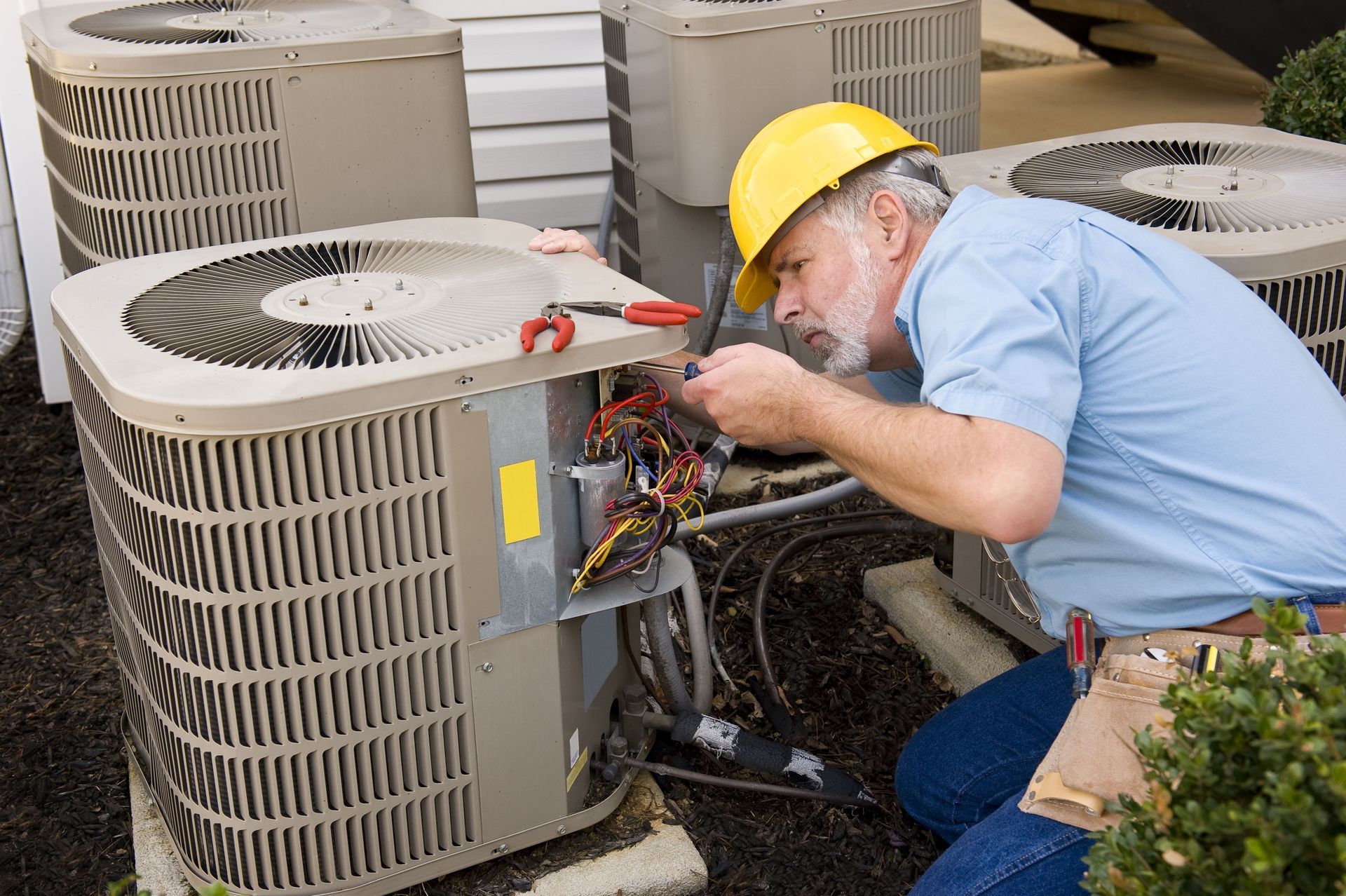
Another common misconception is that following online tutorials can equate to professional installation expertise. Digital resources fail to cover the nuanced requirements of various systems and unique home configurations. Licensed installers possess specialized equipment and knowledge to handle refrigerants safely, which is critical for compliance and safety standards. Relying on certified experts for your AC installations ensures that your equipment complies with regulations, upholds manufacturer warranties, and functions reliably throughout the year.
Recognize Signs of System Failure
A primary sign of a failing air conditioning system is experiencing inconsistent temperatures across different spaces. When certain rooms become cooler or warmer, it indicates issues with distribution networks or overall unit performance. Blocked or poorly designed ductwork can exacerbate this problem, leading to uneven air distribution and persistent discomfort. A failing compressor may also lead to inadequate cooling, failing to maintain set temperatures consistently, which suggests a clear need for professional evaluation and intervention.
These temperature inconsistencies can reflect underlying issues stemming from an improperly sized cooling unit. Over time, an incorrectly sized system wears down, straining mechanical components and causing fluctuating temperature outputs. Homeowners should remain vigilant for these signs because they impact energy costs and daily comfort significantly. Addressing these discrepancies through professional guidance helps identify whether it is time to invest in new AC installations to restore balanced, dependable climate control.
Monitor Rising Monthly Energy Bills
An unexpected rise in energy bills often coincides directly with a major reduction in system efficiency. As internal components wear out, they require significantly more effort to produce the same level of cooling, consuming more energy and raising costs. An improperly installed unit compounds this financial burden, straining household finances while placing stress on the environment. When your system draws excessive electricity to maintain basic comfort, it signals that the mechanical parts are struggling to perform.
According to This Old House, air conditioners can last 12 to 15 years, meaning older units naturally experience a steep decline in performance. Frequent breakdowns and accumulating repair costs suggest that your unit is beyond simple fixes and requires replacement. Choosing professional AC installations ensures that your replacement unit operates at peak efficiency, safeguarding your budget from unpredictable spikes. Professional evaluations help gauge whether long-term reliability necessitates moving beyond your existing, dated equipment.
Consider the Benefits of Upgrades
Upgrading to a newer air conditioning system brings a host of benefits that extend beyond basic performance expectations. Modern systems are designed with advanced energy efficiency models, significantly reducing your monthly household energy expenditure. They feature improved technologies such as programmable thermostats, variable speed fans, and quieter operations, enhancing comfort. Environmental benefits are also inherent, as updated designs employ eco-friendlier refrigerants compared to older systems, reducing your overall ecological footprint.
Newer systems adapt to evolving energy efficiency standards and strict government guidelines required by the industry. Updated models prioritize compliance with energy-saving protocols, reflected in reduced kilowatt-hour consumption and potential utility rebates. When you arrange for professional AC installations, you gain access to equipment that simplifies maintenance and repair tasks due to improved modern engineering. Embracing this technological advancement ensures that your household remains consistently cool, comfortable, and highly cost-effective.
Recognizing the definitive signs that your home needs a new cooling system is the first step toward maintaining a safe, comfortable, and cost-effective living environment. From dealing with uneven temperatures and unusual mechanical noises to watching your energy bills climb, these clear indicators should never be ignored. While the temptation to delay a replacement can be strong, the long-term benefits of professional expertise are undeniable. Certified technicians protect your investment and guarantee optimal system performance.
Prioritizing professional AC installations ensures that your new equipment is sized correctly, calibrated precisely, and configured for maximum longevity. Do not wait for your current unit to break down completely during the hottest week of the summer season. Contact our expert team at Ally HVAC today to explore our premium cooling solutions and schedule your consultation.