May 19, 2026
A properly functioning air conditioning system is one of the most important parts of maintaining comfort in a home, especially during warm weather. Once a system is installed, its long-term performance depends heavily on how well it is maintained over time. Many homeowners assume that once the system is running, little else is required, but this is not the case. Regular care, inspections, and small adjustments all play a role in keeping the system efficient and reliable. Without proper upkeep, even a high-quality unit can lose performance and become more expensive to operate. Taking a proactive approach ensures that your cooling system continues to function at its best. Protecting your AC installation through consistent maintenance can also help extend its lifespan and reduce the likelihood of unexpected breakdowns.
1. Scheduling Regular Professional Inspections
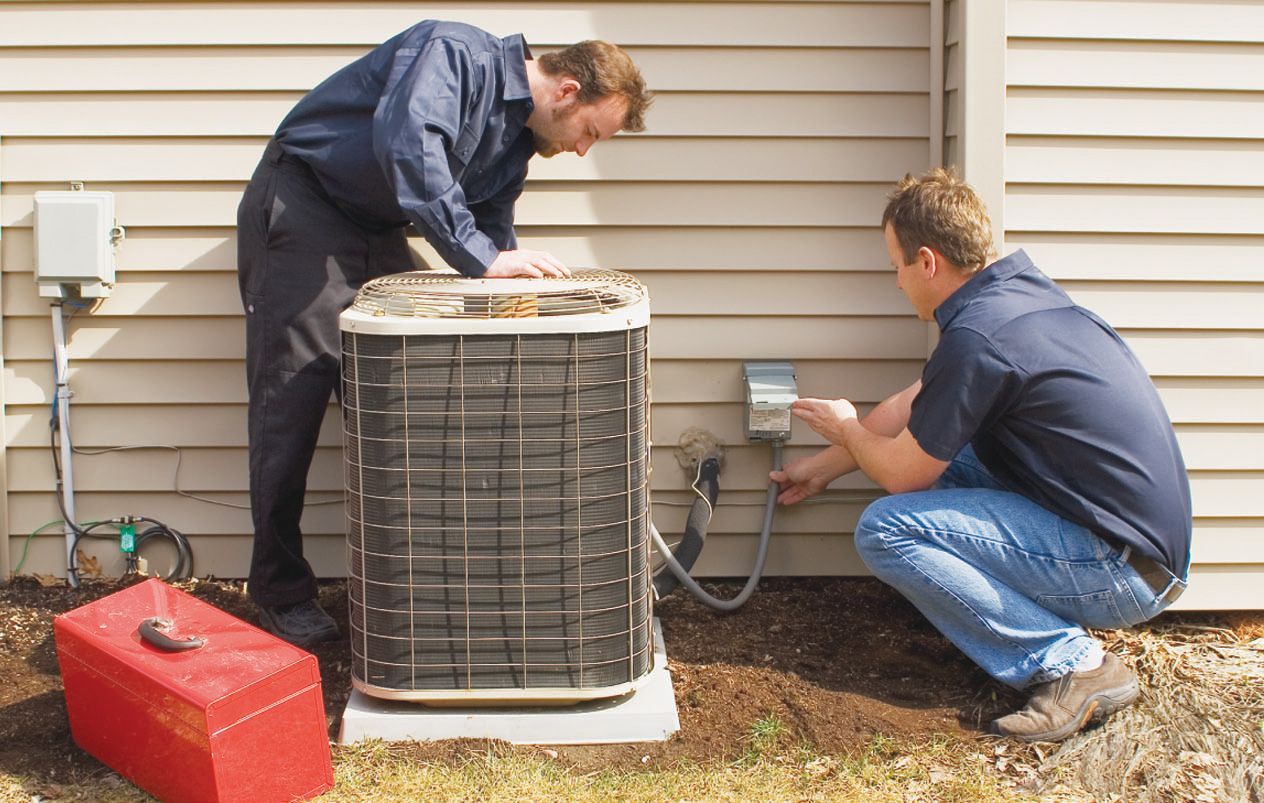
One of the most important steps in maintaining a cooling system is scheduling routine professional inspections. These inspections allow trained technicians to evaluate the overall condition of the system and identify potential problems early. Components such as electrical connections, coils, and refrigerant levels are carefully checked for signs of wear or inefficiency. Addressing small issues before they become major repairs helps prevent system failure during peak usage periods. Regular servicing also ensures that the system continues to operate at optimal efficiency, reducing energy consumption. According to This Old House, duct systems can lose up to 30% of airflow due to leaks, while window units are often difficult to properly seal, which highlights how small inefficiencies can significantly impact performance. Staying consistent with inspections supports the long-term reliability of your AC installation and helps maintain consistent indoor comfort.
2. Changing Air Filters on a Consistent Schedule
Air filters play a critical role in the performance of any cooling system by trapping dust, debris, and airborne particles. Over time, these filters become clogged, restricting airflow and forcing the system to work harder than necessary. Reduced airflow not only decreases efficiency but can also increase wear on internal components. Replacing or cleaning filters on a regular schedule helps maintain proper airflow and system balance. Clean filters also contribute to better indoor air quality, which benefits overall health and comfort. Ignoring this simple maintenance task can lead to higher energy bills and reduced system lifespan. Keeping filters clean is a simple yet effective way to protect your AC installation and ensure steady performance.
3. Keeping the Outdoor Unit Free of Obstructions
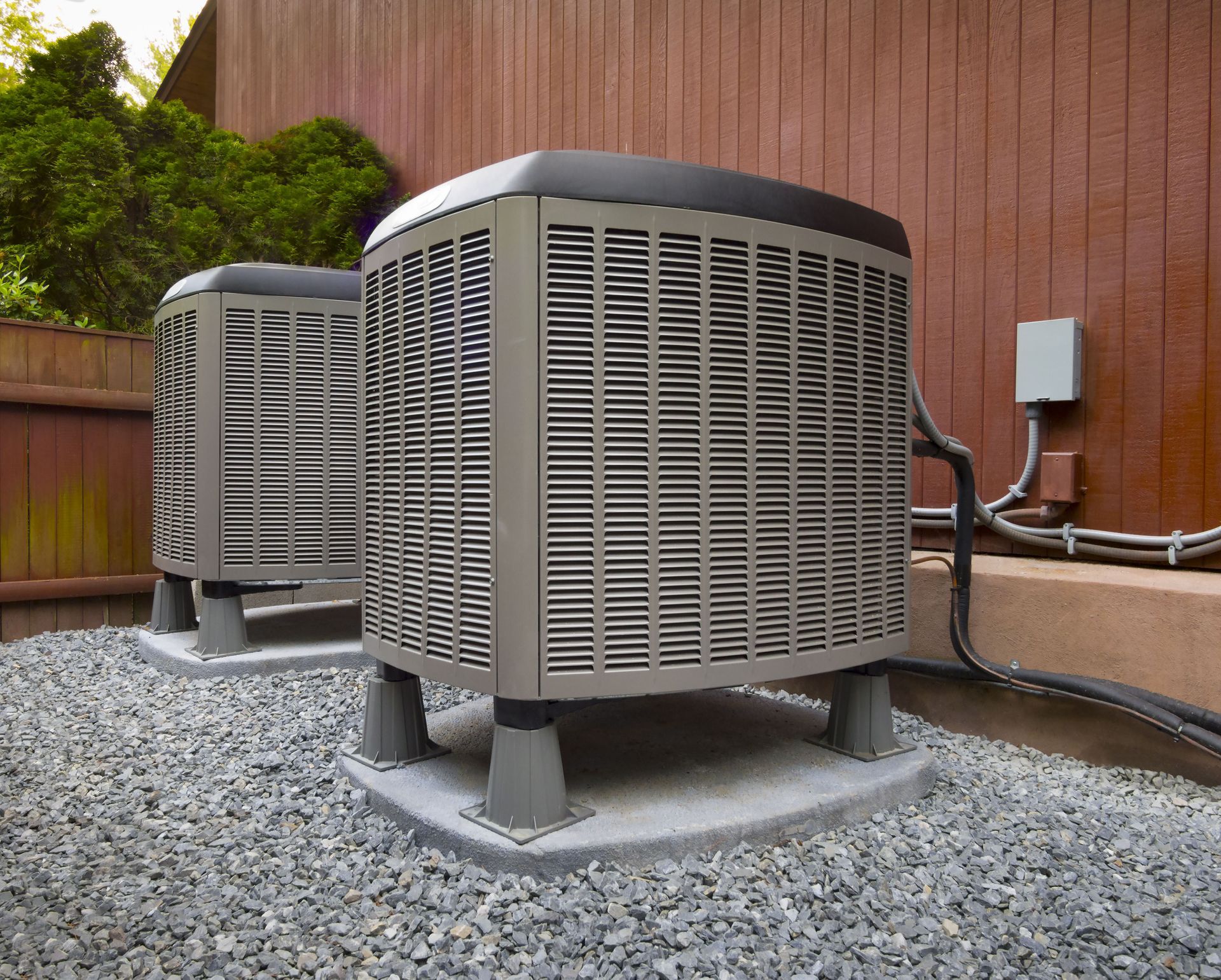
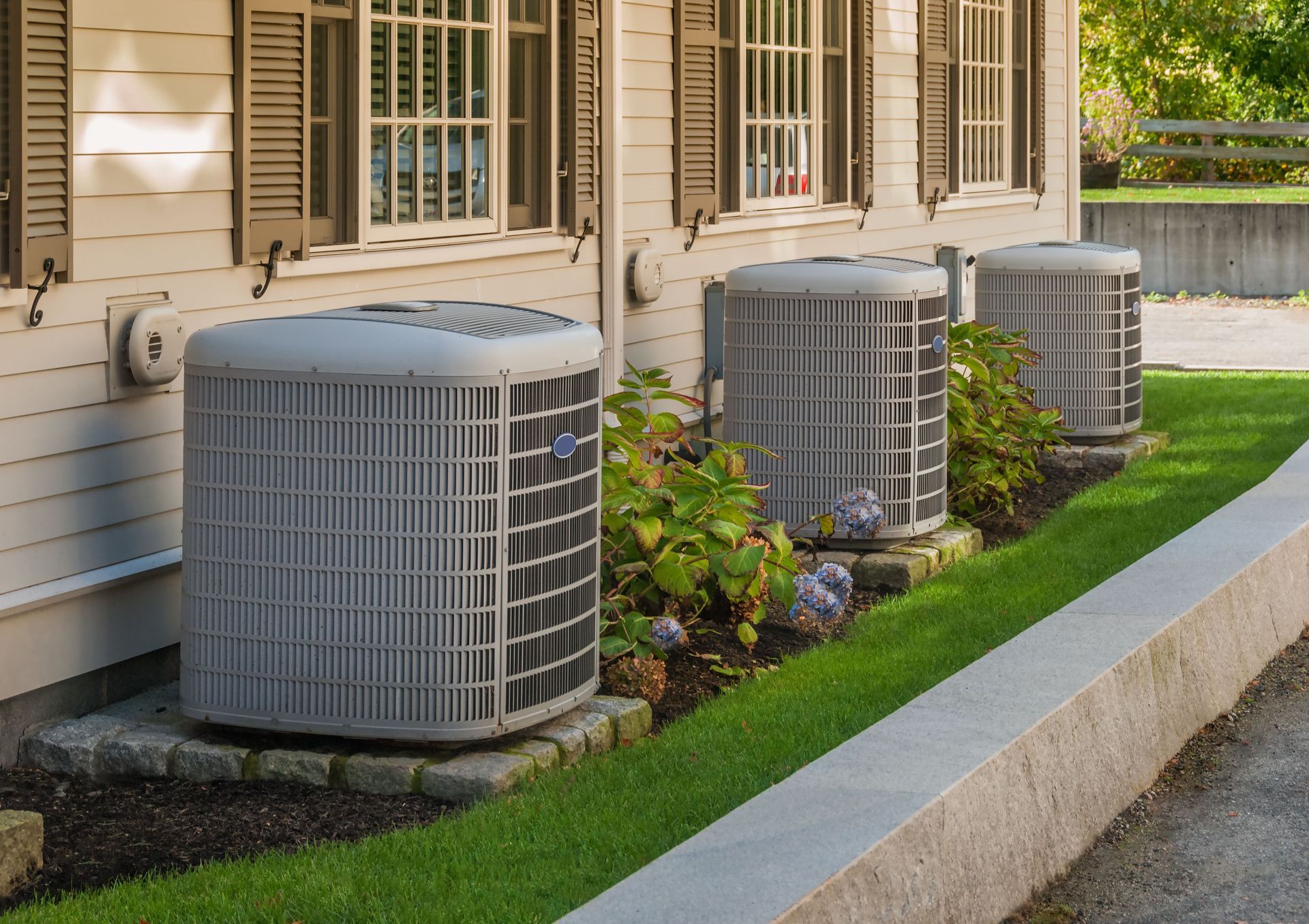
The outdoor unit is exposed to environmental elements, making it more vulnerable to dirt, debris, and plant growth. When leaves, grass, or other materials accumulate around the unit, airflow becomes restricted, reducing efficiency. Proper airflow is essential for heat exchange, which is a key part of the cooling process. Regularly clearing the area around the unit helps ensure it operates without unnecessary strain. It is recommended to maintain several feet of open space around the system to allow for proper ventilation. Neglecting the outdoor unit can lead to overheating and reduced performance over time. Maintaining a clean exterior environment supports the efficiency and durability of your AC installation.
4. Inspecting and Sealing Air Ducts Properly
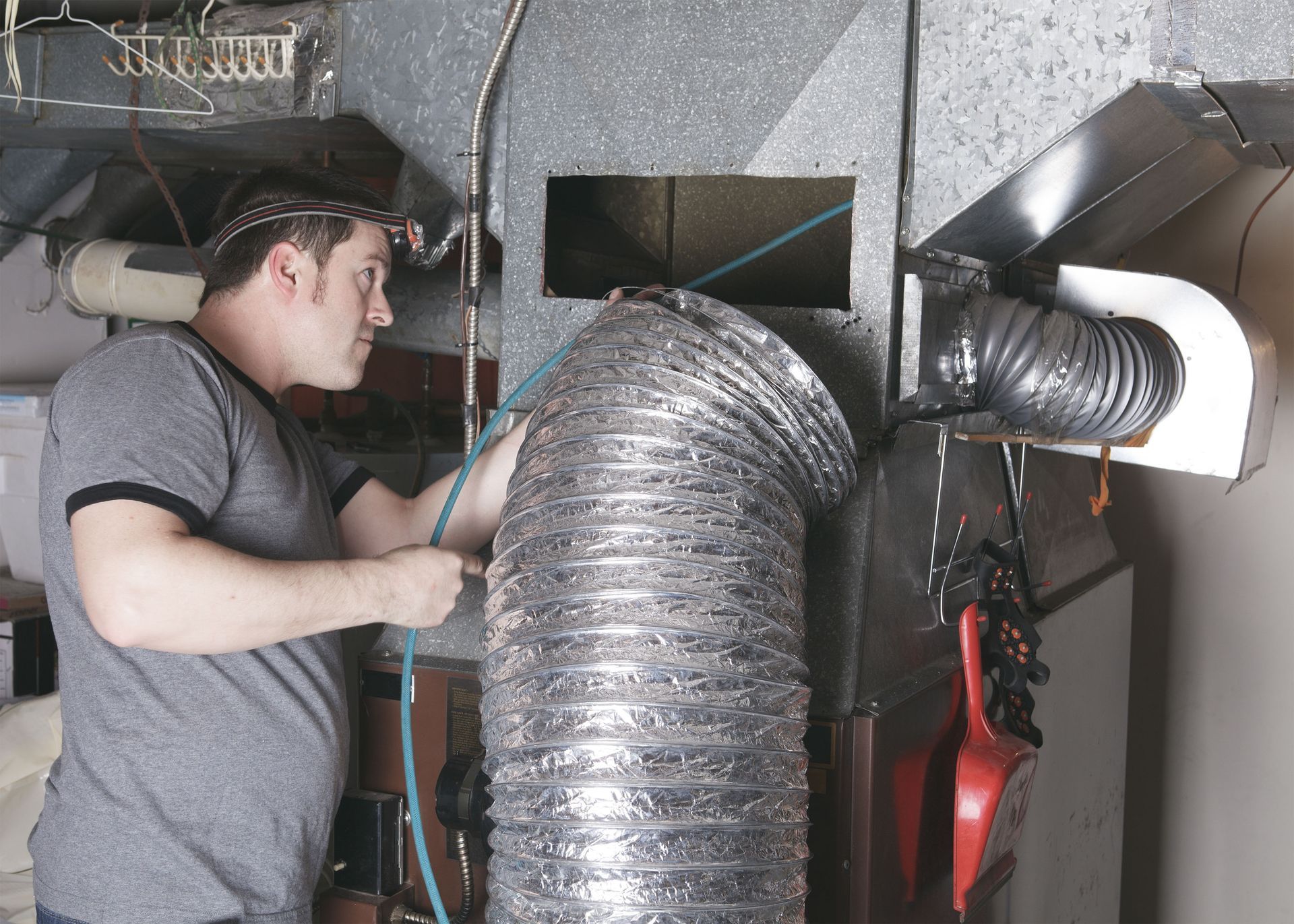
Air ducts are responsible for distributing cooled air throughout the home, making their condition essential for system performance. Over time, ducts can develop leaks, loose connections, or gaps that allow conditioned air to escape. These leaks reduce efficiency and cause uneven cooling in different areas of the home. Sealing ducts helps ensure that air is delivered where it is needed without unnecessary loss. Proper insulation of ductwork can also improve temperature consistency and reduce strain on the system. Small leaks may seem insignificant but can lead to noticeable energy waste over time. Maintaining well-sealed ductwork helps maximize the effectiveness of your AC installation.
5. Monitoring Thermostat Accuracy and Settings
The thermostat acts as the control center of the cooling system, making its accuracy extremely important. If the thermostat is not calibrated correctly, it can cause the system to run longer than necessary or shut off too early. This leads to inconsistent indoor temperatures and unnecessary energy consumption. Regularly checking thermostat settings ensures that the system is responding properly to temperature changes. Upgrading to a programmable or smart thermostat can further improve efficiency by allowing better control over cooling schedules. Proper thermostat use helps reduce strain on the system and enhances overall comfort. Ensuring accurate temperature control supports the long-term performance of your AC installation.
6. Checking Refrigerant Levels and System Pressure
Refrigerant is essential for the cooling process, as it absorbs heat from inside the home and releases it outside. If refrigerant levels are too low, the system cannot cool effectively and may begin to overwork itself. Low refrigerant often indicates a leak or other underlying issue that requires professional attention. Regular system checks help ensure that refrigerant levels remain within the recommended range. Maintaining proper pressure is also important for efficient operation and system longevity. Ignoring refrigerant issues can lead to serious damage and costly repairs. Proper management of refrigerant levels helps preserve the efficiency of your AC installation.
7. Maintaining Proper Drainage and Moisture Control
Air conditioning systems naturally produce condensation as part of the cooling process, making drainage an important factor in maintenance. If drain lines become clogged, water can back up and cause damage to the system or surrounding areas. Excess moisture can also lead to mold growth, which affects both the system and indoor air quality. Regularly inspecting and clearing drainage lines helps prevent these issues from developing. Ensuring proper moisture control keeps the system operating smoothly and reduces the risk of water-related damage. Ignoring drainage problems can result in costly repairs and reduced system performance. Keeping moisture under control supports the long-term reliability of your AC installation.
8. Using the System in an Efficient and Balanced Way
How a cooling system is used on a daily basis has a direct impact on its lifespan and efficiency. Setting temperatures too low or constantly adjusting settings can place unnecessary strain on the system. Using ceiling fans in combination with the air conditioner can help distribute air more effectively and reduce the workload. Keeping doors and windows closed while the system is running prevents cool air from escaping. Adjusting settings based on occupancy and time of day can also improve efficiency. Small behavioral changes can significantly reduce wear on the system over time. Efficient usage habits help protect your AC installation and maintain consistent performance.
9. Ensuring Electrical Components Remain in Good Condition
Electrical components play a key role in the operation of any cooling system, making their condition important for safety and performance. Worn or loose connections can lead to system malfunctions or reduced efficiency. Regular inspections help identify potential electrical issues before they become serious problems. Capacitors, wiring, and control boards should all be checked for signs of wear or damage. Addressing electrical issues early helps prevent unexpected system failures. Proper electrical maintenance also contributes to overall system reliability and safety. Keeping these components in good condition supports the longevity of your AC installation.
Maintaining a cooling system requires consistent attention, routine care, and a proactive approach to small issues. Each maintenance task, from filter replacement to duct sealing, plays a role in ensuring the system operates efficiently. Ignoring maintenance can lead to higher energy costs, reduced comfort, and more frequent repairs. On the other hand, regular care helps extend the lifespan of the system and improves overall performance. A well-maintained system is more reliable, more efficient, and better suited to meet household cooling needs. Taking simple steps throughout the year can make a significant difference in long-term results. Protecting your investment through proper maintenance ensures lasting comfort and efficiency.
If you want to ensure your cooling system remains efficient and dependable, Ally HVAC is ready to help. Our experienced team provides professional maintenance, inspections, and service tailored to your needs. From routine care to system optimization, they focus on keeping your home comfortable year-round. Don’t wait for issues to arise before taking action. Contact Ally HVAC today to schedule your service and keep your system operating at peak performance.