November 19, 2026
Heating and cooling systems account for a significant portion of the energy consumed by homes and commercial buildings. When these systems operate inefficiently, utility bills can climb quickly, especially during periods of extreme temperatures when heating and cooling equipment must work harder to maintain comfortable indoor conditions. Although replacing older equipment may seem like the most obvious solution, improving energy efficiency does not always require a major investment. Sometimes, relatively simple adjustments and routine maintenance can produce meaningful savings.
Experienced HVAC companies help property owners identify opportunities to reduce energy consumption while maintaining reliable indoor comfort. Their knowledge of heating and cooling equipment, ventilation, insulation, and modern energy-saving technologies allows them to address problems that might otherwise go unnoticed. From comprehensive energy audits to equipment upgrades, professional HVAC services can make a measurable difference in long-term operating costs. Understanding the available options can help homeowners and businesses make smarter decisions about their heating and cooling systems.
What Are the Key Benefits of Hiring Experienced HVAC Companies?
One of the primary advantages of working with experienced HVAC companies is having access to professionals who understand how different components of a heating and cooling system work together. A furnace, air conditioner, thermostat, ductwork, and ventilation equipment must function as a coordinated system to maintain efficiency. When one component underperforms, the entire system may consume more energy than necessary.
Qualified technicians can identify problems such as restricted airflow, refrigerant issues, malfunctioning components, and inadequate insulation. Addressing these concerns early can prevent equipment from running longer than necessary to achieve the desired temperature. Professional recommendations also help property owners prioritize improvements based on their potential impact rather than spending money on upgrades that offer limited benefits.
Another advantage is improved equipment reliability. Systems that receive appropriate attention are less likely to experience unexpected breakdowns, which can result in expensive emergency repairs or premature replacement. Experienced HVAC companies can also help customers understand the expected operating costs of different equipment options, making it easier to balance initial expenses with long-term savings.
How Do HVAC Companies Conduct Energy Audits?
An energy audit provides a clearer picture of how efficiently a building uses energy. Rather than immediately recommending replacement equipment, HVAC companies begin by evaluating the existing system and identifying factors that contribute to unnecessary energy consumption.
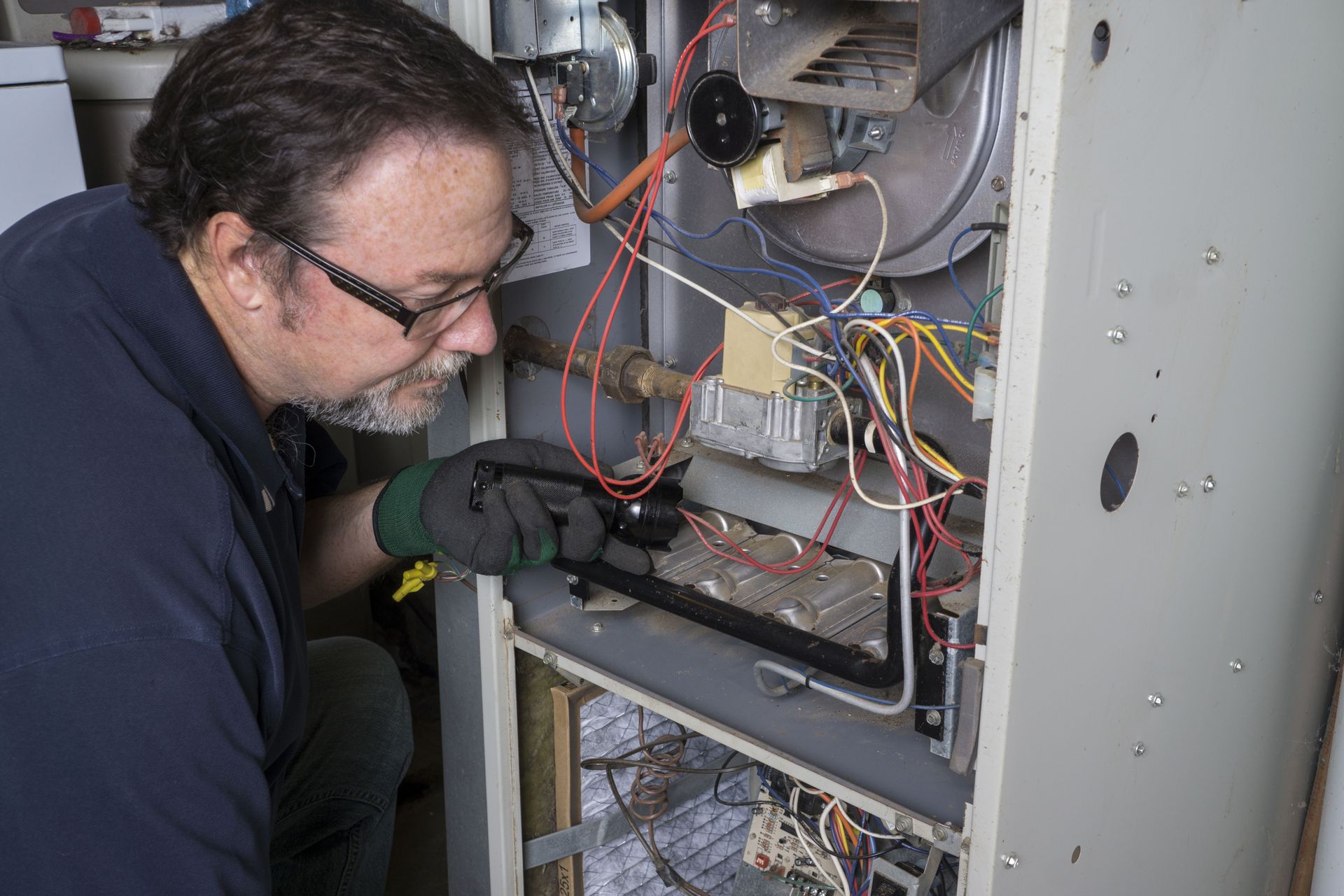
During an inspection, technicians may examine heating and cooling equipment, thermostats, air filters, ductwork, and ventilation systems. They can also look for air leaks around windows, doors, and other openings that allow conditioned air to escape. These problems force heating and cooling equipment to compensate for changing indoor temperatures, increasing energy consumption.
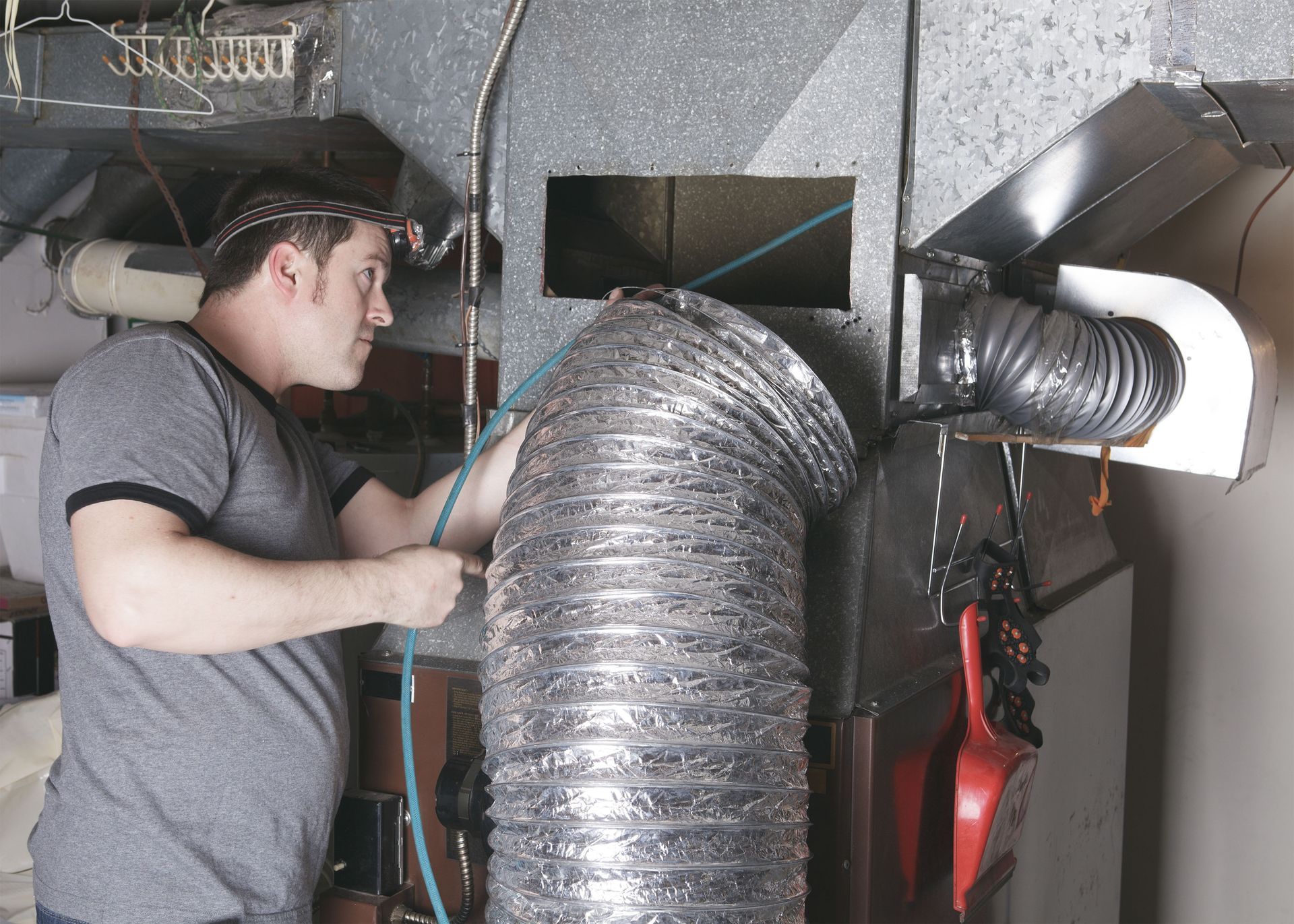
Ductwork deserves particular attention because leaks can significantly reduce system performance. According to This Old House, duct leaks can result in the loss of up to 30 percent of airflow, while window air conditioning units can be particularly difficult to seal properly. These inefficiencies demonstrate why examining the entire building envelope is important when evaluating energy use.
Depending on the property, technicians may use specialized instruments to measure airflow, temperature differences, and other performance indicators. Some assessments also include examining insulation levels and identifying areas where outdoor air enters the building. Once the inspection is complete, the technician can explain which problems deserve immediate attention and which improvements could provide longer-term savings.
Which Energy-Efficient Solutions Can HVAC Companies Implement?
After identifying inefficiencies, HVAC companies can recommend improvements suited to the property's size, existing equipment, and energy requirements. One option is upgrading to high-efficiency heating and cooling equipment. Modern systems often incorporate technologies designed to deliver more consistent temperatures while consuming less electricity or fuel.
For example, variable-speed motors can adjust their output according to changing heating and cooling demands instead of operating exclusively at full capacity. Similarly, high-efficiency heat pumps can provide both heating and cooling without relying on separate conventional systems. These technologies may be particularly beneficial for property owners looking to modernize older equipment.
However, replacing an entire system is not always necessary. Retrofitting existing equipment, improving duct insulation, sealing air leaks, and installing more efficient ventilation components can also improve performance.
HVAC companies can help determine which combination of improvements offers the best opportunity for reducing operating costs.
Proper equipment sizing is another important consideration. An oversized air conditioner may cool a building quickly but cycle on and off frequently, potentially reducing efficiency and creating inconsistent indoor conditions. An undersized unit, meanwhile, may struggle to maintain comfortable temperatures during periods of heavy demand. Professional load calculations help ensure that replacement equipment matches the building's actual requirements.
What Role Does Regular Maintenance Play in Saving Energy Costs?
Routine maintenance is one of the most practical ways to protect HVAC efficiency and avoid unnecessary utility expenses. Over time, dust, debris, worn components, and restricted airflow can interfere with normal system operation. When equipment must work harder to compensate for these conditions, energy consumption can increase.
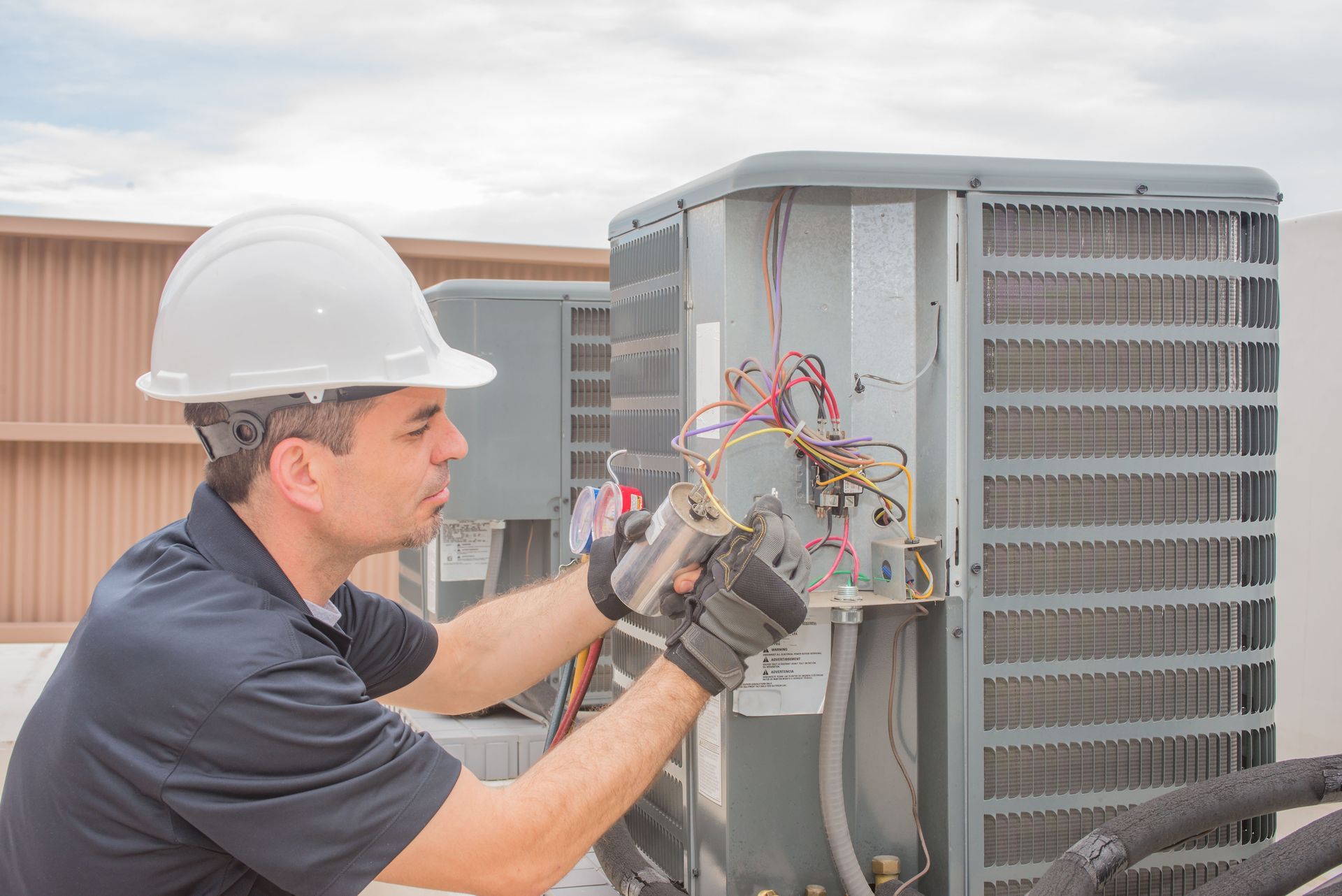
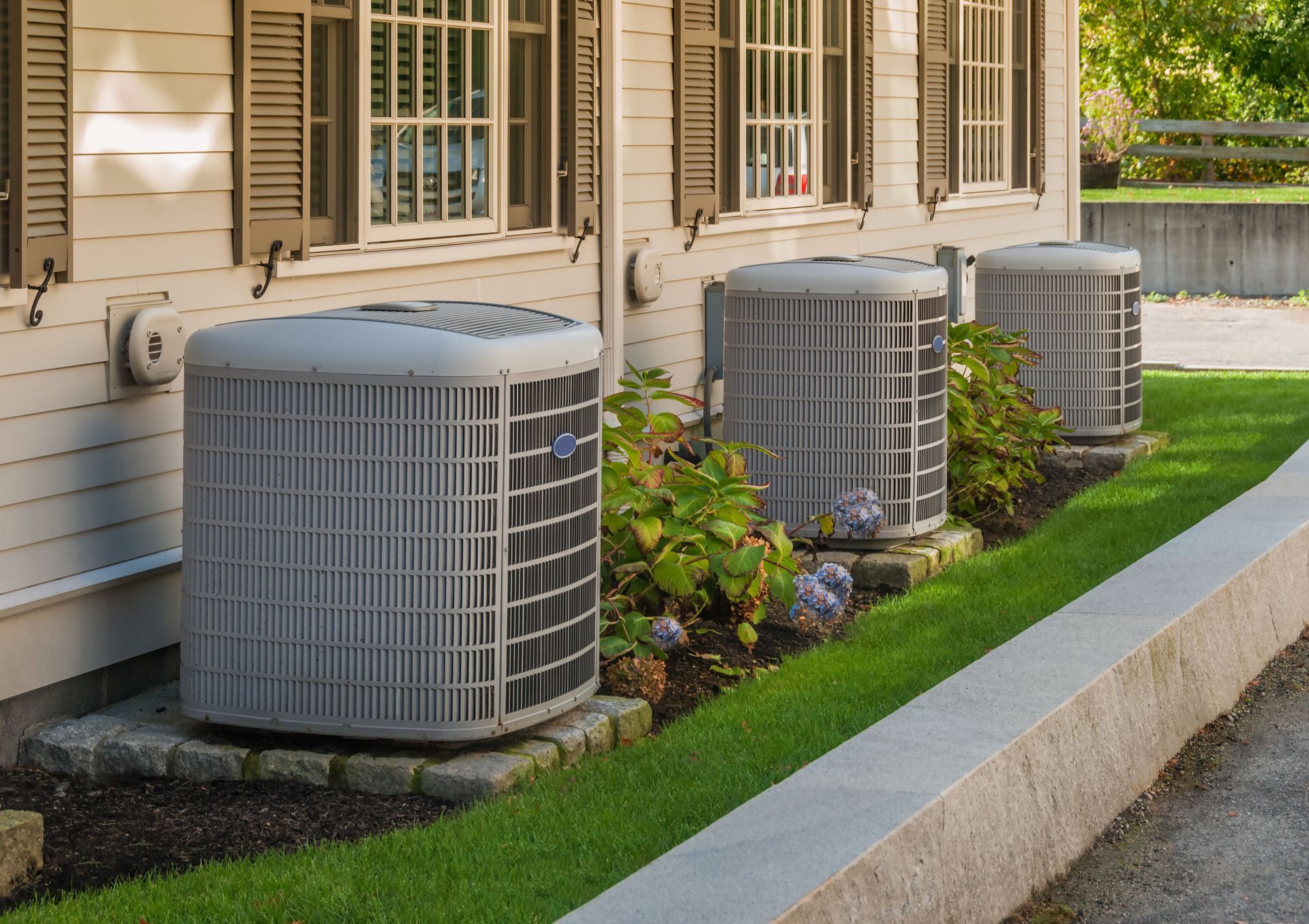
Experienced HVAC companies typically recommend seasonal maintenance to prepare heating and cooling equipment for periods of heavier use. During an air conditioning inspection, technicians may clean condenser coils, examine refrigerant levels, inspect electrical connections, and verify that the system is operating correctly. Furnace maintenance may involve checking burners, inspecting heat exchangers, cleaning components, and testing safety controls.
Air filters also deserve regular attention. A clogged filter restricts airflow, making it harder for the system to circulate conditioned air throughout the building. Depending on the filter type, household conditions, and manufacturer's recommendations, filters may need replacement every one to three months. Homes with pets, for example, may require more frequent attention because of accumulated hair and airborne debris.
Maintenance also gives technicians an opportunity to identify developing problems before they become expensive repairs. A worn belt, malfunctioning sensor, or partially obstructed drain line might seem relatively minor, but ignoring these issues can affect system performance. By scheduling inspections and addressing concerns promptly, property owners can maintain more consistent operation, extend equipment lifespan, and reduce the likelihood of avoidable energy waste.
How Can HVAC Companies Assist in Upgrading to Smart Thermostats?
Smart thermostats offer another opportunity to manage energy consumption without sacrificing indoor comfort. Unlike conventional thermostats that require manual adjustments, these devices can learn household schedules, respond to temperature changes, and allow users to control settings remotely through smartphone applications.
HVAC companies can help determine whether a particular smart thermostat is compatible with existing heating and cooling equipment. This is important because some systems require specific wiring configurations or additional components to support advanced thermostat features. Professional installation helps ensure that the device communicates properly with the equipment and operates as intended.
Once installed, technicians can explain how to configure schedules, establish temperature preferences, and use energy-saving settings. For example, homeowners can program their thermostats to reduce heating or cooling output while everyone is away and restore comfortable temperatures before they return. Some models also provide energy reports that help users recognize patterns and identify opportunities to adjust their habits.
Smart thermostats can be especially useful in commercial buildings where occupancy levels and operating schedules fluctuate. Instead of maintaining identical temperatures throughout the day, businesses can adjust settings according to when different spaces are actually being used. Experienced HVAC companies can recommend appropriate controls and help integrate them with existing building systems.
Experienced HVAC companies provide the technical knowledge needed to accomplish these goals. Through detailed energy audits, equipment upgrades, routine maintenance, and smart thermostat installations, qualified professionals can help homeowners and businesses improve system performance while controlling operating expenses. If you need HVAC services, reach out to Ally HVAC today!